

Why colors of rosary beads matter in everyday faith
The Church does not require any particular color for rosary beads. A rosary is a tool for prayer, conversation, and contemplation, whatever its shape or shade. Still, many Catholics naturally feel drawn to certain colors, and those colors can gently help us enter into prayer with more focus and intention.
Color can remind us of particular mysteries, seasons of the liturgical year, or loved ones we pray for. For example, someone might keep a green rosary for prayers for healing, a white one for weddings and baptisms, or a dark wooden one that feels right for quiet Lenten evenings. The rosary itself remains the same, but the look and feel of the beads can echo what is on our hearts.
When I first began to pay attention to the Rosary Beads Meaning of Colors, it was not in a book or a class. It happened the day I realized that a small red-and-gold rosary reminded me of my grandmother’s kitchen, where she used to keep a rosary hanging on a nail near the door. Every time I prayed with those beads, I found myself thinking of her faith and her steady trust in God. The color had become a bridge to memory and gratitude.
Soft guidelines, not strict rules
It is important to remember that there is no official “code” for rosary colors. Some devotional traditions link certain colors with virtues or events, but these are shared as suggestions, not commands. What matters most is the intention: choosing a rosary that helps you enter prayer more simply, more honestly, and with a peaceful heart.
If you are drawn to a certain color, it is usually enough to trust that gentle attraction. God works through small things: a favorite chair, a familiar hymn, the feel of beads in the hand. A color that helps you slow down, breathe, and remember that you are not alone can be a quiet gift in daily life.
Common rosary colors and their gentle associations
Below are some of the most common rosary colors and the quiet meanings or associations that many Catholics find in them. These are not promises or guarantees, just simple ways people connect colors with prayer, Scripture, and the lives of Jesus and Mary.
White or ivory rosaries
White or ivory rosary beads often bring to mind purity, new beginnings, and important family moments. Many of us first encountered a white rosary at a First Communion or wedding. The color can remind us of baptismal garments, altar linens, and the simple beauty of a church on a feast day.
A white rosary is often chosen for children receiving First Communion, or for brides and grooms who want to include the rosary in their ceremony or keep it near their wedding photo. I sometimes use an ivory rosary when praying for the children in our family, quietly asking that their faith may stay simple and real as they grow.
Blue rosaries
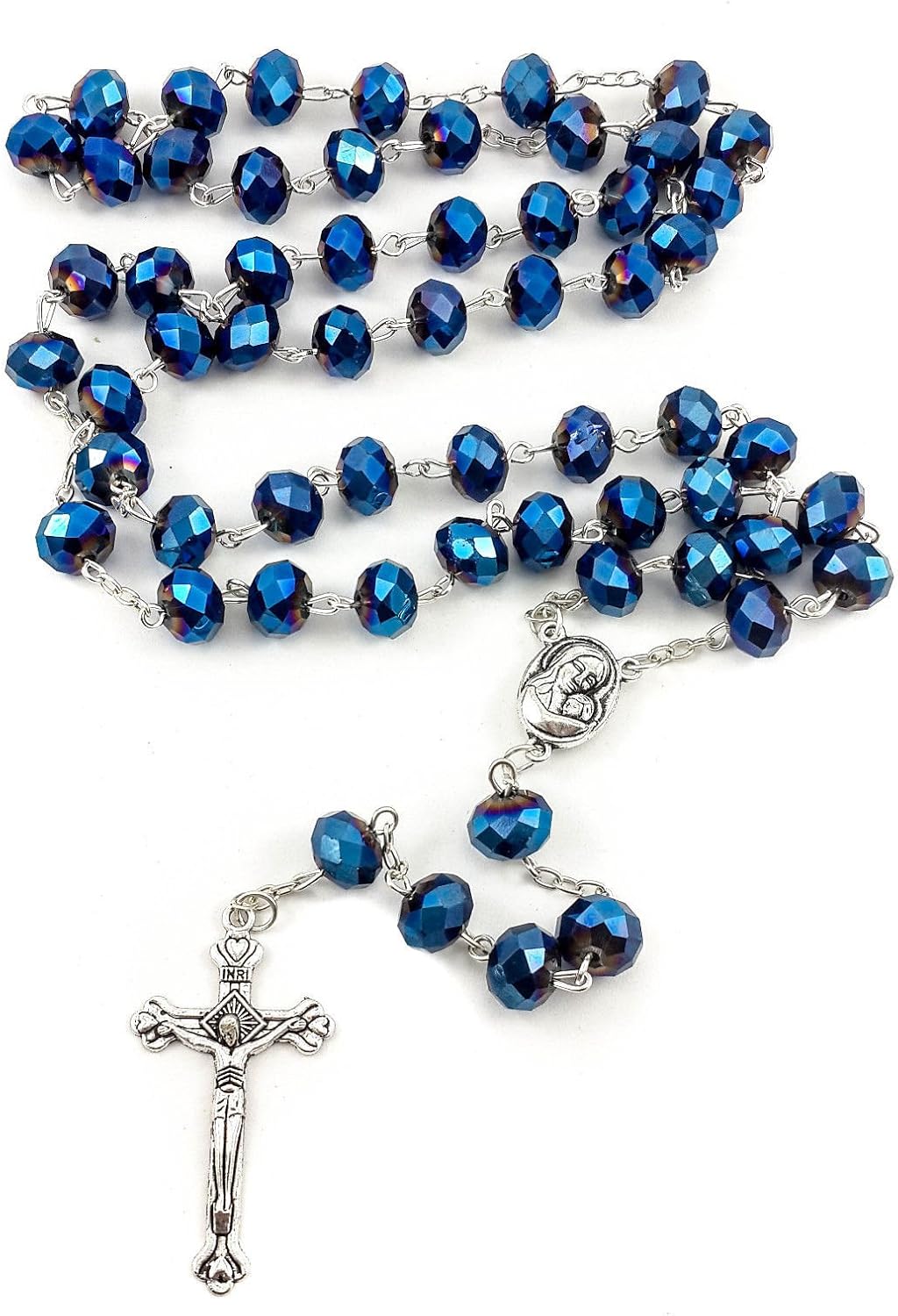
Blue is closely associated with the Blessed Virgin Mary in Christian art. A blue rosary can gently remind us of Mary’s presence in our lives: not as someone distant and untouchable, but as a mother who walks with us. Light blue might suggest tenderness or trust, while deep navy can feel steady and calm.
During a difficult year, I often reached for a dark blue rosary by habit. I did not plan it; it was just the one that felt right to hold. The color felt like evening sky before the stars fully appear—a time when the day’s worries begin to quiet, and we entrust the rest to God. In that ordinary way, color supported prayer.

Red rosaries
Red rosary beads can point us toward love, sacrifice, and courage. Some people use a red rosary when praying the Sorrowful Mysteries, remembering the Passion of Jesus. Others find that red reminds them of the Holy Spirit, especially when praying for strength, guidance, or the right words in hard conversations.
In my own life, a small deep-red rosary has become the one I carry when visiting a sick friend or relative. I do not think of it as a “special” object; it is just that the color reminds me that love often costs something, and that we are called to stand by one another in quiet, practical ways.
Green rosaries
Green is the color of ordinary time in the Church year, and of course the color of grass, trees, and growing things. A green rosary often feels like a reminder of hope, healing, growth, and patience. It can be a comforting choice when praying for someone who is ill, or for a situation that will take time to sort out.
Some Catholics keep a green rosary in the car or in a work bag, as a sign that God is at work even in ordinary days and long commutes. The color can whisper that faith is not only for church or crisis moments, but also for daily routines and slow changes that unfold over months and years.

Black or dark wooden rosaries
Black or dark brown wooden rosaries are simple, traditional, and understated. Many men prefer them, but they are really for anyone who appreciates a humble, quiet look. These rosaries often feel right for Lenten prayer, funerals, or times when words are hard to find.
A plain wooden rosary also has a certain warmth in the hand. The beads can become smoother over time, almost like a record of the years of prayer they have carried. When I hold an older wooden rosary that belonged to a relative, I sometimes think of all the worries and hopes that were prayed through those same beads.
Multicolored or rainbow rosaries
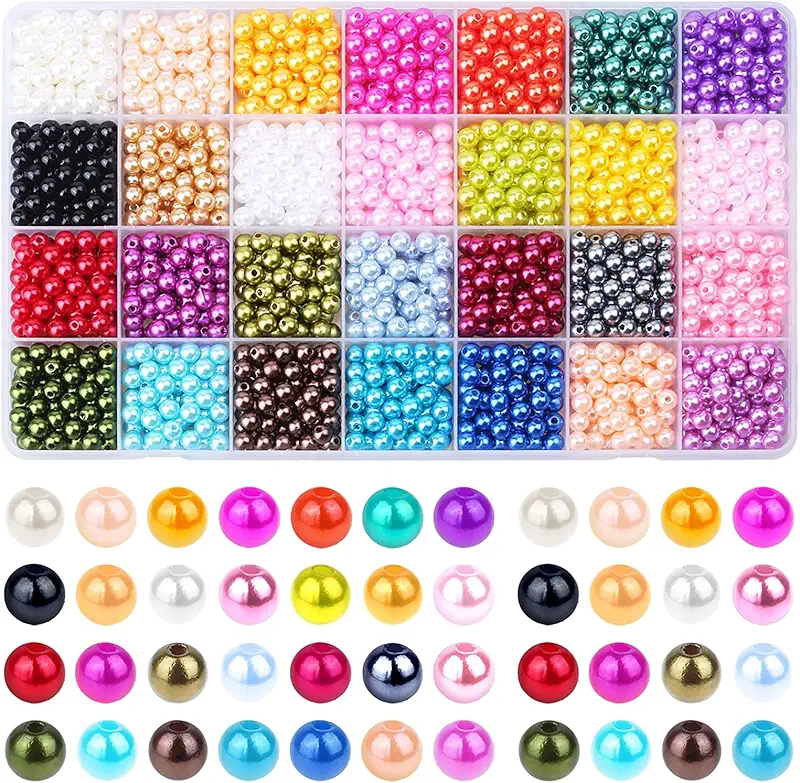
Some rosaries use several colors together: different shades for each decade, or a gentle blend of stones or glass. These rosaries can remind us that the mysteries of Christ touch every part of life—joyful, sorrowful, luminous, and glorious. They can also be a way to remember different family members or intentions with each decade.
A multicolored rosary can be especially helpful for children, since the changing colors give their hands and eyes something to focus on. But many adults appreciate them as well, especially when they like to match specific colors with particular intentions: for example, praying a green decade for someone struggling with health, and a blue decade for someone in need of peace.

How to choose rosary colors for your own life
When you think about the Rosary Beads Meaning of Colors, it can be helpful to start with your real, everyday life instead of abstract symbolism. Ask yourself simple questions: At what time of day am I most likely to pray the rosary? Where do I usually keep it? Am I drawn more to soft and gentle colors, or deep and rich ones?
For some people, a very simple and neutral rosary works best, because it does not distract them. For others, color is part of the way they enter into prayer, just like music or candlelight might be for someone else. Either way is fine. The key is to choose something that feels honest and peaceful to you.
Matching colors to intentions
Some Catholics like to keep more than one rosary, each with a different color for particular intentions. For example:
- A white or ivory rosary for prayer about family, sacraments, and new beginnings.
- A blue rosary for Marian feasts and prayers for trust and protection.
- A green rosary for those who are ill, or for ongoing healing and growth.
- A red rosary when praying about sacrifice, courage, or the Passion of Jesus.
- A dark wooden rosary for quiet, serious seasons, grief, or intercession for the dead.
These are simply patterns that can give structure to prayer. They do not have to be followed strictly. Over time, you may find your own personal way of connecting colors to the people and situations you carry in your heart.
Personal stories written in color
Many of us can look back and remember particular rosaries connected with certain seasons of life. I remember one season when a pale green stone rosary never left my jacket pocket. It was a time filled with medical appointments for someone close to me. That rosary eventually chipped and cracked a little, but I still keep it as a reminder of how God quietly accompanied us through that stretch of uncertainty.
Another time, I lent my simple black rosary to a friend who was going through a loss. Months later, when he returned it, the beads felt different to me. I knew they had been through long nights and hard prayers. The color had not changed, but my relationship with that rosary had; it now carried both his story and mine.
When we think about the Rosary Beads Meaning of Colors, we can also think about the meaning that comes from years of use: the way a certain blue rosary reminds you of praying for your children as teenagers, or a white rosary brings back the memory of your wedding day. In this way, color and time work together to turn simple beads into a quiet record of God’s faithfulness.

Letting color support, not replace, prayer
It is possible to get caught up in small details and forget the heart of prayer. Colors, materials, and designs can all serve a purpose, but they are not the purpose themselves. The rosary invites us into conversation with God, into reflection on the life of Jesus, and into a steady rhythm of trust.
When thinking about color, it can help to hold this balance: appreciate beauty and symbolism, but do not let them become the main focus. If a simple plastic rosary helps you pray better than an expensive stone one, then the plastic one is the better choice for you. If a bright color helps you stay awake during late-night prayer, that can be a good thing. What matters is that prayer remains real, sincere, and gently faithful.
Over time, you may find that certain colors feel right for particular intentions or seasons, and that is fine. Just remember that God hears the quietest prayers said with the simplest beads, whether they are bright, pale, dark, or worn almost smooth with years of use.
