
Are Rosary Beads Only Catholic
Many people first encounter rosary beads in a Catholic setting and quietly wonder who they are really for. Here is a calm, down‑to‑earth look at how rosary beads live in everyday Catholic prayer, while also acknowledging that beads for prayer appear in many traditions around the world.

What people mean by “Are Rosary Beads Only Catholic”
When someone asks, “Are rosary beads only Catholic?”, the question is usually deeper than it sounds. Very often, it comes from a place of curiosity and respect. Maybe a friend has seen a rosary hanging from a rear‑view mirror, or noticed someone fingering the beads quietly in a waiting room, and felt a gentle pull to understand more.
From a Catholic point of view, the rosary is closely tied to our prayer life. The beads help us stay present as we move through familiar prayers, and they give our hands something to do while our hearts try to stay turned toward God. Yet the idea of counting prayers on beads is not unique to Catholics. Other Christians and even other religions have their own forms of prayer beads.
Still, when Catholics talk about rosary beads, we usually mean a specific chain of prayers centered on the life of Christ and His mother, Mary. That is where the “only Catholic” feeling comes in: not in the physical beads themselves, but in the way they are used, the prayers said on them, and the role they play in our daily routines.
I remember the first time someone asked me directly, “Are rosary beads only Catholic?” We were in a break room at work, and I had my rosary in my pocket. I pulled it out to explain, and as I spoke, I realized how much these simple beads had walked with me through hospital visits, long drives, and late‑night worries. For me, the answer was not about labels, but about the quiet habit of reaching for something that reminds me to pray.
Prayer beads beyond Catholic life
Around the world, many people use beads to guide prayer or meditation. A well‑known example is the use of prayer ropes or beads in the wider tradition of prayer beads, which shows that counting prayers on beads is a very human instinct, not just a Catholic one.
- Eastern Christians sometimes pray with knotted cords or chotki.
- Some Protestants use “Anglican-style” prayer beads.
- Other religions have their own centuries‑old bead traditions.
When Catholics speak about rosary beads, we are usually talking about our own form of this wide human practice. The question “Are rosary beads only Catholic?” becomes an opportunity to respect what is shared among many peoples, while also being honest about what is particular to Catholic prayer.
How rosary beads fit into everyday Catholic life
For many American Catholics, rosary beads are less of a special‑occasion item and more like a steady companion. They might stay in a coat pocket, a purse, or the center console of a car. They are there when we are early to an appointment, sitting beside a loved one in the hospital, or waiting for kids to finish practice.
When I think about my own day, I do not always manage to pray a full rosary. Sometimes I only get through a decade. But just having the beads close by reminds me that prayer is possible right now, in this moment, without needing the perfect setting. A few Hail Marys while walking the dog, or while folding laundry, feel very ordinary and very real.
Rosary beads can become linked with certain seasons of life. One set might be connected with young parenthood, another with caring for aging relatives, another with a period of grief. Each one carries quiet memories of prayers whispered in waiting rooms, parking lots, and late‑night kitchens. That is why many Catholics treat their rosaries with a certain gentleness, even when they are old or worn.
A quiet habit, not a show
One thing that often surprises people is how private rosary prayer tends to be. Even when prayed in a group, it is usually calm and low‑key. On our own, many of us pray the rosary quietly—on the couch before bed, on a front porch, or during a slow evening walk. The beads help us keep our place while our minds wander through the mysteries of Christ’s life.
When someone asks, “Are rosary beads only Catholic?”, what they may really be noticing is how personal this prayer feels. It is not meant to be a performance. The beads are just a tool that supports this simple, often hidden, way of praying.
In my own life, there are nights when I fall asleep holding the rosary. I do not finish the prayers. I do not do anything impressive. I just drift off mid‑Hail‑Mary, trusting that the desire to pray matters, even when my eyes close. The beads lying on the nightstand in the morning are a small reminder that I tried.
Who uses rosary beads, and how?
Within the Catholic Church, rosary beads are used by people of all ages and backgrounds. Some learn as children sitting next to a grandparent. Others discover the rosary much later in life, sometimes after a difficult season or during a time of searching. Some pray daily; others pick up the beads only occasionally, when they feel a special need.
The question “Are rosary beads only Catholic?” can also come from Christians of other traditions who feel drawn to the rhythm of the rosary, but unsure whether it belongs to them. That is a sensitive topic, and Catholics will answer it differently. What nearly all Catholics can agree on is that anyone approaching the rosary with honesty and reverence deserves to be treated with respect, not suspicion.

Personal story: when the question became real
A few years ago, a Christian friend from another denomination asked me if it would be disrespectful for her to hold my rosary while I prayed. She was very gentle and thoughtful about it. Her exact words were close to “I know these are Catholic—are rosary beads only Catholic, or can I just hold them while you pray?”
I remember feeling deeply moved by that question. She was not trying to “borrow” a tradition carelessly. She simply wanted to stand nearby while I prayed a decade for something we were both concerned about. I explained how I used the beads and what the prayers meant to me. I did not try to persuade her to do the same. I just shared what it was like in my own life.
She ended up holding the rosary in silence while I prayed out loud. Later, she told me that the physical beads helped her stay focused as she silently offered her own prayer in her own way. That moment gently reminded me that while the rosary is very much at home in Catholic life, the basic human desire to hold something while praying is not limited by labels.
Different kinds of rosary beads and their everyday use
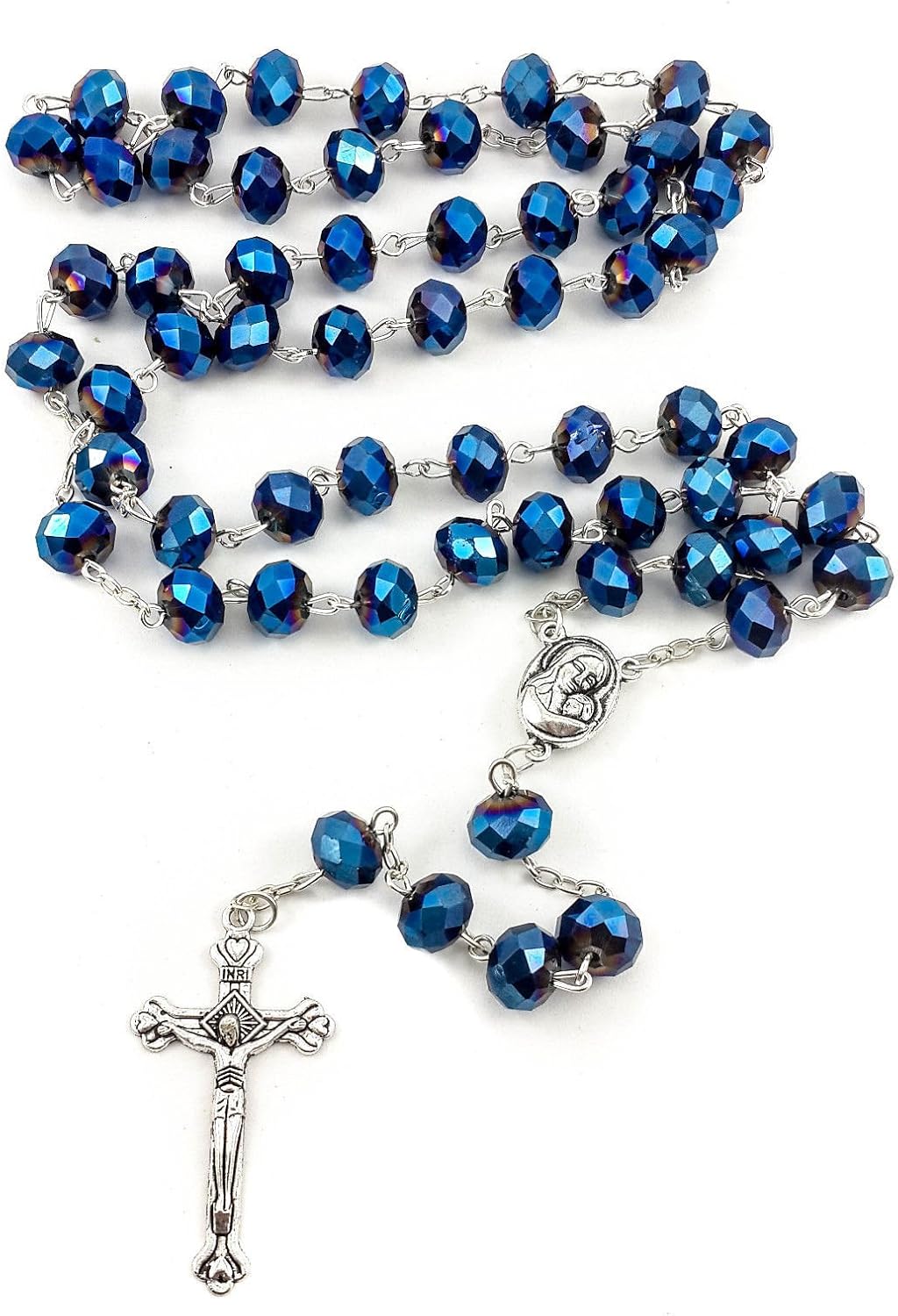
When people explore the question “Are rosary beads only Catholic?”, they often notice how many different styles of rosaries exist. Beads can be wooden, glass, stone, plastic, or even knotted cord. Some are simple and sturdy for pockets and backpacks. Others are more delicate and meant to stay near a prayer corner at home.

Rosaries for pockets, cars, and home
In daily Catholic life, different rosaries often “live” in different places:
- A small pocket rosary or ten‑bead chaplet, easy to hold in a crowded waiting room.
- A simple, durable rosary in the car, sometimes used at red lights or during long drives.
- A more visible rosary hanging near a bedside table, a crucifix, or a small home prayer space.
Each type serves a quiet purpose. None of this is about appearance or being impressive. It is more about having something tangible nearby when the heart reaches for prayer.
I still remember a very basic plastic rosary I used during a difficult season. It was not pretty, but it was always in my pocket. Looking back, that simple set of beads feels almost like a diary. Not because anything changed on the outside, but because I can recall the many evenings when I held it in the dark and tried to trust God one Hail Mary at a time.
Respecting the meaning of rosary beads
Because rosary beads are so closely connected to prayer, Catholics usually appreciate it when they are treated with the same respect we give to other religious items. That does not mean being fearful around them. It just means remembering that, for many people, these beads have been touched with prayer, tears, and hope for years.

Wearing vs. praying
Another question often linked with “Are rosary beads only Catholic?” is whether it is okay to wear them as jewelry. Catholics differ on this, but many of us feel that if rosary beads are worn, it should be with the same sense of reverence as when they are held in prayer. The main concern is not fashion, but whether the rosary is being treated as something sacred rather than just a decoration.
In my own family, we were taught that if we put a rosary around the neck, it should still be used for prayer, not just for looks. Over time I have noticed that I am more comfortable keeping mine in a pocket or bag, where I can quietly take it out when I am ready to pray.
No matter where we stand on that question, treating the beads with care—keeping them out of harm’s way, not tossing them on the floor, not using them as a toy—helps preserve the prayerful meaning they carry for so many people.
Finding a rosary that matches your quiet routines
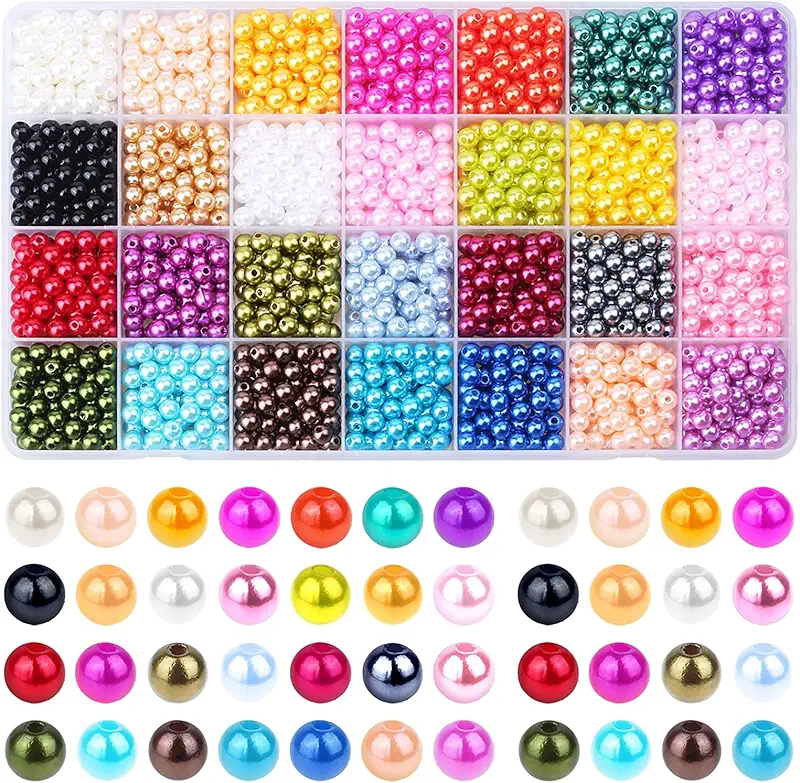
If you have been wondering, “Are rosary beads only Catholic?” and also feel drawn to holding beads during prayer, you might find it helpful to think first about your own daily life. Do you often pray at home, in the car, during walks, or before sleep? The style of rosary that fits best usually has more to do with these simple routines than with anything else.
Quiet considerations for choosing beads
Some gentle questions that many Catholics quietly ask themselves when choosing rosary beads:
- Will this feel comfortable in my hands for more than a few minutes?
- Is it sturdy enough for a pocket, backpack, or glove compartment?
- Does the weight and texture help me stay focused rather than distracted?
- Does it seem fitting for the way I hope to pray with it?
None of these are about appearance in the eyes of others. They are about finding something that gently supports the way you naturally live and pray, whether that is five minutes in the morning or a full rosary in the evening.
When someone asks me now, “Are rosary beads only Catholic?”, I often share how ordinary my own use of the rosary is—running errands, waiting for news from a doctor, sitting in a parked car after a long day. The beads simply help me turn those in‑between moments into a space for quiet prayer.
Rosary beads in times of joy and sorrow
Over the years, I have seen rosary beads show up in some of the most important moments of life—births, weddings, hospital rooms, funerals, and quiet evenings alone on the couch. They are present in both joy and sorrow, sometimes held tightly, sometimes resting quietly on a table nearby.

Holding on when words are hard
There are times when prayer feels easy and natural. There are also times when it is hard to find the right words. On those harder days, rosary beads can be a comfort simply because they offer a familiar pattern. The prayers are already there. Our part is simply to move from bead to bead, as best we can, even if our thoughts wander.
During a long illness in my family, I often found myself too tired to think of what to say. I would sit in the hospital parking lot, rosary in hand, and slowly make my way through a decade. Some days I did not finish. But just starting, and feeling the beads slip through my fingers, helped me stay turned toward God in a small, steady way.
When I hear the question “Are rosary beads only Catholic?” now, I think of these parking‑lot prayers, these whispered Hail Marys in dim rooms. The rosary is certainly woven into Catholic identity, but at its heart, it remains something very simple: a string of beads that helps a person keep praying when life feels heavy or confusing.
Rosary beads and the next generation
Many American Catholics hope to gently pass on the habit of praying the rosary to children and grandchildren, not as a burden, but as a familiar comfort. In many homes, a child’s first rosary is very simple and sturdy. It might be used awkwardly at first, with fidgeting and half‑remembered prayers, but over time it becomes part of the child’s inner picture of what prayer looks like.

I have a small wooden rosary that belonged to a relative who has since passed away. It is worn smooth in certain places. Each time I hold it, I am reminded that I am not the first person in my family to ask questions like “Are rosary beads only Catholic?” or to reach for the beads in times of uncertainty. In a quiet way, this rosary connects generations through a shared habit of prayer.
Whether someone is new to the rosary or has prayed it for decades, the beads themselves remain simple. They do not make anyone holy. They do not solve problems by themselves. They are just a faithful reminder to keep turning back to God, one prayer at a time, in the middle of normal, imperfect days.